
Planning wedding flowers in Australia comes down to two things: what is in season where they are getting married, and how complex the designs are. Seasonal choices usually look fresher, travel better, and cost less than out of season imports.
This guide breaks down popular seasonal blooms and typical costs, so they can set a realistic floral budget without guesswork.
What makes wedding flowers cost more (or less) in Australia?
The biggest cost drivers are seasonality, stem count, labour, and logistics. If they choose blooms grown locally in season, wedding flowers are typically better value and more reliable.
Design complexity matters too. A loose bridal bouquet takes less time than wired orchids, a suspended installation, or fully flowered ceremony plinths that require mechanics, bump-in time, and extra staff.
What do wedding flowers cost on average in Australia?
Most couples should expect a meaningful spend for professional floristry, especially once delivery and set-up are included. As a broad guide, wedding flowers cost for a small to mid-size celebration often land in the low-to-mid thousands, while large-scale styling and installations can push well beyond that.
Prices vary by city and region. Sydney and Melbourne often price higher than many regional areas, while remote locations can add travel and accommodation for the floral team.
What are typical price ranges for key wedding flower items?
They can budget faster by pricing the core pieces first. As a general Australian guide, wedding flowers often fall into these ranges:
- Bridal bouquet: £200 to £450
- Bridesmaids bouquets: £120 to £250 each
- Buttonholes: £25 to £50 each
- Corsages: £40 to £80 each
- Ceremony arbour arrangement: £600 to £2,000+
- Aisle florals or plinths: £250 to £900+ each
- Table centrepieces: £120 to £350+ each
- Cake flowers: £60 to £200
- Delivery and set-up: £150 to £600+ (more for tight access or large installs)
Their florist will quote based on scale, flower choices, and timing, so these figures work best as a starting point. “
Which flowers are best in summer in Australia, and what do they cost?
Australian summer weddings often suit bright, hardy blooms that cope with heat and humidity. For summer wedding flowers, they can consider:
- Dahlias (late summer in many areas): usually mid to higher price per stem
- Zinnias and cosmos: often budget friendly when locally grown
- Roses: stable but can rise if premium varieties are requested
- Orchids: premium, especially for cascading designs
- Australian natives (banksia, leucadendron, gum): often great value and very heat tolerant
Summer costs climb when they need delicate blooms that bruise easily, or when styling requires large quantities of small-headed flowers.
Which flowers are best in autumn, and what do they cost?
Autumn is a strong season for colour and texture, with fewer extreme weather risks in many parts of Australia. Autumn wedding flowers often include:
- Roses and spray roses: mid-range, reliable supply
- Chrysanthemums and disbuds: can be excellent value for impact
- Dahlias: can still be available early autumn depending on region
- Natives (waratah in season in parts of NSW, plus textural foliage): ranges from mid to premium
- Berry elements and seed pods: usually add cost but lift the look
Autumn designs can be cost-effective because they allow fuller arrangements with fewer fragile, high-waste blooms.
Which flowers are best in winter, and what do they cost?
Winter can be beautiful for moodier palettes, but it can also mean relying on fewer local varieties and more glasshouse production. Winter wedding flowers may feature:
- Camellia and hellebore (when available): premium and delicate
- Anemones and ranunculus (peak in many regions): often mid-range to premium
- Tulips: mid to premium, depending on variety and supply
- Stock: good value for scent and volume
- Natives and foliage: often strong value and very durable
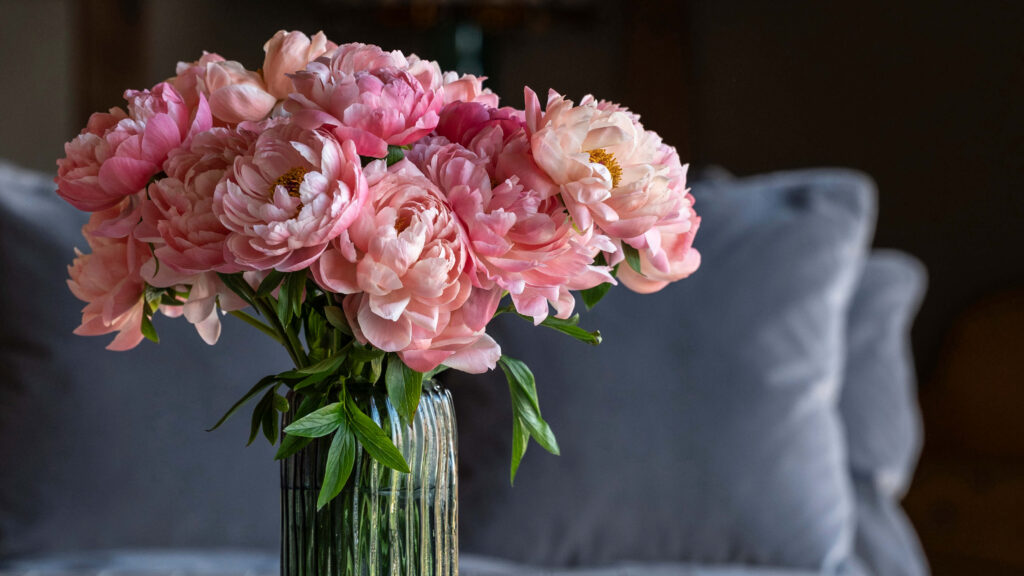
Winter pricing is often affected by availability. If they want peonies in July, imports can make the quote jump sharply.
Which flowers are best in spring, and what do they cost?
Spring is one of the easiest seasons for abundance and variety. For spring wedding flowers, they can look at:
- Ranunculus and anemones early spring: mid to premium
- Sweet peas: premium due to fragility and short stems
- Tulips: mid-range, especially in mono bunches
- Garden roses: mid to premium
- Blossom branches (depending on state and timing): premium and labour intensive to transport and condition
Spring is often excellent value overall, but costs can rise if they choose highly perishable blooms that need careful handling and quick turnaround.
How much do popular wedding flowers cost per stem in Australia?
Per-stem pricing fluctuates week to week, but it helps them understand why quotes differ. For wedding flowers, typical relative pricing looks like this:
- Budget friendly: carnations, chrysanthemums, alstroemeria, gerbera
- Mid-range: roses, lisianthus, stock, tulips
- Premium: orchids, anthurium, sweet peas, reflexed roses, special dahlias
- Very premium or highly seasonal: peonies, some blossom, specialty imports
A florist rarely quotes only “per stem” because labour and mechanics are a large part of the final price.
How can they save money on wedding flowers without losing impact?
They can reduce spend by focusing on fewer, higher-impact moments. With wedding flowers, the simplest savings usually come from:
Choose seasonal and local blooms. If they align the palette to what is abundant in their area, they avoid expensive substitutions.
Repurpose ceremony pieces. Plinth arrangements can move to the reception entrance or behind the bridal table.
Use more foliage and feature flowers. This keeps the look full while reducing premium stems.
Limit item count. A bridal bouquet, a few personals, and statement ceremony pieces often photograph better than many small arrangements.
Should they choose Australian natives for wedding flowers?
Yes, if they want durability and texture, especially for outdoor weddings. Australian natives often handle heat, wind, and long photo sessions better than soft-petalled blooms, and they can be more cost predictable.
For wedding flowers, natives also suit many Australian venues, from beach ceremonies in Queensland to winery weddings in South Australia. The key is to balance strong textures with a few softer elements if they want a romantic finish.
How far in advance should they book a florist and lock in flower choices?
They should book as early as they can once they have a date and venue, particularly for peak months and popular weekends. Many florists will confirm the general look and budget early, then finalise specific stems closer to the date to reflect market availability.
For wedding flowers, locking in a colour palette, style, and priority items is more useful than insisting on a fixed flower list six to twelve months out.
What questions should they ask a florist about wedding flower pricing?
They should ask questions that reveal what is included, what can change, and what adds labour. For wedding flowers, useful questions include:
- What is included in set-up, pack-down, and delivery?
- Are vessels hired, and what happens if something is damaged?
- What substitutions might occur if flowers are unavailable?
- How do they keep flowers fresh in hot weather?
- Can ceremony flowers be repurposed, and is there a labour fee?
- What is the minimum spend for their date and location?
Clear answers help them compare quotes fairly.
What is a realistic wedding flower budget for a British wedding?
A realistic budget matches the scale of the event and the priorities for photos. If they want a statement ceremony backdrop and lush reception styling, wedding flowers will need a larger allocation than a simple bouquet-and-buttonhole plan.
Most importantly, they should tell the florist what matters most: the bouquet, the arbour, the bridal table, or guest tables. That single decision usually determines where the money goes and how dramatic the result feels.
FAQs (Frequently Asked Questions)
What factors influence the cost of wedding flowers in Australia?
The main cost drivers for wedding flowers in Australia include seasonality, stem count, labour, and logistics. Choosing locally grown, in-season blooms generally offers better value and reliability. Additionally, the complexity of the floral design affects pricing; simpler bouquets require less time and resources compared to intricate wired orchids or large installations.
What is the average cost range for wedding flowers in Australia?
For a small to mid-size wedding celebration, couples can expect to spend in the low-to-mid thousands on professional floristry services, including delivery and set-up. Larger-scale styling and installations can increase costs significantly. Prices also vary by location, with cities like Sydney and Melbourne typically being more expensive than regional areas.
Which seasonal flowers are best suited for Australian summer weddings, and what are their typical costs?
Summer weddings in Australia favour bright, hardy blooms that withstand heat and humidity. Popular choices include dahlias (mid to higher price per stem), budget-friendly zinnias and cosmos, stable roses (with premium varieties costing more), premium orchids especially for cascading designs, and heat-tolerant Australian natives like banksia and leucadendron. Costs rise when delicate or high-quantity small-headed flowers are required.
How do flower choices and costs differ for autumn weddings in Australia?
Autumn offers rich colour and texture with fewer weather challenges. Common wedding flowers include mid-range roses and spray roses, value-for-money chrysanthemums and disbuds, dahlias available early autumn depending on region, premium natives such as waratah (in parts of NSW), plus berry elements and seed pods which add cost but enhance aesthetics. Autumn arrangements can be cost-effective due to fuller designs requiring fewer fragile blooms.
What are popular winter wedding flowers in Australia, and how much do they typically cost?
Winter weddings often feature moodier palettes with flowers like premium camellia and hellebore (when available), mid to premium anemones and ranunculus, mid to premium tulips depending on variety, budget-friendly stock for scent and volume, plus durable natives and foliage offering strong value. Pricing may increase if out-of-season imports like peonies are requested during winter months.
How can couples save money on wedding flowers without compromising on impact?
Couples can reduce floral expenses by focusing on fewer but high-impact arrangements. Key strategies include selecting seasonal and locally grown blooms to lower costs and ensure freshness. Simplifying designs—opting for loose bouquets over complex wired or suspended installations—and prioritising key moments rather than extensive floral coverage also help manage budgets effectively.
Related: How Fresh Flowers Naremburn Households Order Change Through the Year