
This breakdown explains what typically drives the total and where costs often rise quickly on real jobs.
What does tree removal in Sydney usually include?
Most tree removal jobs include a site inspection, risk planning, cutting and lowering the tree in sections, and basic clean-up. Many quotes also include green waste removal, but not all do, so it needs to be confirmed. For more details about professional tree services, visit https://treesdownunder.com.au/tree-removal/.
If the job is near structures, power lines, or neighbours, extra control measures are usually added, which can increase time, crew size, and equipment needs.
How much does labour contribute to the total cost?
Labour is usually the largest portion because skilled tree work is slow, physical, and safety-critical. A typical job may require a qualified climber or elevated work platform operator, one or more ground crew, and sometimes a dedicated spotter.
Labour costs rise when the tree must be dismantled in small pieces, when rigging is required, or when the crew must spend extra time protecting roofs, fences, gardens, and nearby assets.
What labour factors push the price up fastest?
Prices often jump when the job includes complex rigging, tight drop zones, or advanced hazard controls. Dead, storm-damaged, or unstable trees can require slower methods and more hands on the ground.
Jobs that require traffic management, neighbour coordination, or working around schools and businesses also tend to cost more because the crew’s time becomes less predictable and more controlled.
How do equipment choices affect the quote?
Equipment is selected to reduce risk and speed up safe removal, but it adds cost. Common inclusions are chainsaws, rigging gear, lowering devices, wood chippers, stump grinders, and trucks for haulage.
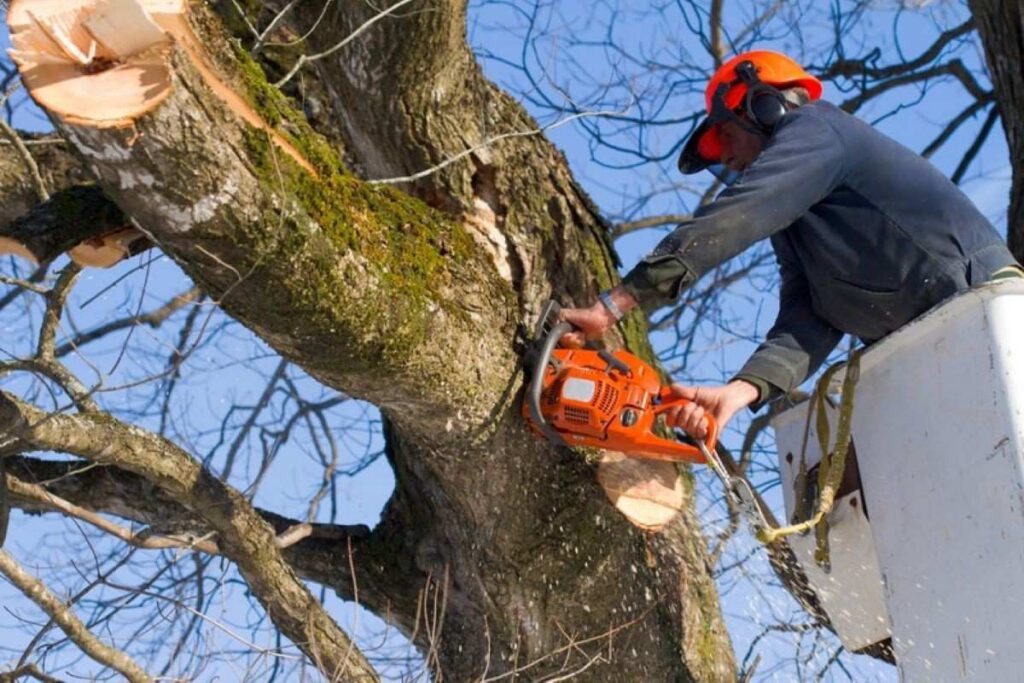
If a quote includes a crane or an elevated work platform, it usually indicates limited climb access, a heavy canopy over targets, or a need to remove large sections safely without free-falling branches.
When is a crane or elevated work platform needed?
A crane is often used when a tree is too risky to climb, when large limbs must be lifted over a house, or when there is little room to lower sections. An elevated work platform is often used where climbing is unsafe or inefficient, such as on unstable trunks or awkward multi-stem trees.
These options can reduce total time on site, but they typically add a noticeable line item to the quote.
How does access change the cost in Sydney suburbs?
Access can be the difference between a straightforward removal and a slow dismantle. If trucks, chippers, or machinery can park close to the tree, the crew can work faster and remove waste efficiently.
Poor access, such as narrow side paths, steep blocks, or rear-yard-only trees, forces manual handling. That increases labour time, fatigue load, and sometimes the number of crew required.
What access issues commonly increase labour and equipment needs?
Common access problems include no driveway access, locked gates, fragile paving, tight terraced lots, and overhead obstacles like awnings or pergolas. Even where access exists, soft lawns and wet ground can prevent machinery from entering without causing damage.
When access is restricted, they may need smaller equipment, more trips, or manual carry-out, all of which increase total time.
How do tree size and structure affect the cost?
Size matters, but structure matters just as much. A tall tree with a wide canopy over targets can cost more than a thicker tree in an open yard because it must be controlled piece by piece.
Multi-trunk trees, heavy lateral limbs, and trees leaning toward buildings typically require more rigging and slower cuts. That increases both labour and wear on equipment.
What role do safety risks and nearby hazards play?
Hazards increase cost because they increase control requirements. Trees close to homes, fences, pools, and sheds often need rigging and careful lowering to prevent damage.
Working near power lines can be a major cost driver due to exclusion zones, additional controls, and in some cases coordination with the electricity network. Quotes may also rise when there are bees, rot, hangers, or compromised root plates.
How does waste removal and chipping influence pricing?
Green waste volume can be substantial, especially for leafy canopies. If chipping and haulage are included, the quote usually covers chipper use, truck loading, disposal fees, and time spent processing branches.
Some clients prefer to keep mulch on site. That can reduce disposal effort, but it still involves chipping time, so the savings may be smaller than expected unless haulage and tipping fees are a large part of the job. Click here to get an overview about Australian forests.
Is stump removal included, and how does it change the final cost?
Stump removal is often quoted separately because it requires different equipment and can be done at a different time. Grinding depth, stump diameter, and root flare size all affect how long the grinder is needed.
Access matters again here. If the stump is behind a narrow gate or up steps, they may need a smaller grinder, which often means slower work and higher labour time.
What should they check in a Sydney tree removal quote?
They should confirm exactly what is included: waste removal, stump grinding, site protection, and final clean-up. They should also check whether the price includes GST, whether it covers crane or platform hire if needed, and whether there are conditions that could change the price on the day.
A clear quote should describe the method, the assumptions about access, and what happens if hidden issues appear, such as internal rot or restricted machinery entry.
How can they reduce costs without increasing risk?
They can improve access by clearing side paths, unlocking gates, and moving cars and outdoor furniture before the crew arrives. They can also decide in advance whether they want mulch left on site or full removal, and whether stump grinding is required.
If multiple trees need work, bundling jobs into one visit often reduces mobilisation time and can lower the per-tree cost, provided access and safety planning remain manageable.
Related : Tree Service Explained: What’s Included And What’s Not
FAQs (Frequently Asked Questions)
What factors typically determine tree removal pricing in Sydney?
Tree removal pricing in Sydney is usually based on three main variables: labour, equipment, and access. Understanding these components helps in comparing quotes and knowing what services are included.
What services are generally included in a Sydney tree removal job?
Most tree removal jobs include a site inspection, risk planning, cutting and lowering the tree in sections, and basic clean-up. Many quotes also cover green waste removal, but this should be confirmed as it varies between providers.
How do labour requirements impact the cost of tree removal?
Labour often represents the largest portion of the total cost due to the skilled, physical, and safety-critical nature of tree work. Costs increase with complex dismantling, rigging needs, and additional protection for nearby structures or assets.
In what situations are cranes or elevated work platforms necessary for tree removal?
Cranes are used when trees are too risky to climb or when large limbs must be lifted over buildings with limited space to lower sections safely. Elevated work platforms are preferred when climbing is unsafe or inefficient, such as with unstable trunks or multi-stem trees.
How does access influence the cost of tree removal in Sydney suburbs?
Good access allows machinery like trucks and chippers to park close to the tree, speeding up removal and waste disposal. Poor access—such as narrow paths, steep blocks, or rear-yard-only locations—increases labour time, fatigue, and may require more crew members or smaller equipment.
What should homeowners verify when reviewing a tree removal quote in Sydney?
Homeowners should confirm what is included—such as waste removal, stump grinding, site protection, and clean-up—and whether GST is covered. They should also check if crane or platform hire is included if needed and understand any conditions that could alter the price on the day of service.